
KatvTech.com
We test what works, track what changes, and decode what AI search rewards
KatvTech is an independent SEO resource built on real testing, not guesswork. We cover technical SEO and experimentation, algorithm updates and recovery, and AI search optimization — grounded in what we’ve actually seen work on live websites. No sponsored opinions. No affiliate-driven recommendations. Just what works.
Who we are
KatvTech exists because most SEO advice is based on opinion, not evidence. We test tactics on real websites, track what Google’s algorithm actually rewards and punishes, and study what gets content cited by AI systems.
We cover three areas: technical SEO and experimentation, covering schema markup, internal linking structure, page speed, indexing behavior, and split testing methodology; updates and recovery, covering core updates, manual actions, algorithmic penalties, and the ranking systems behind them like Navboost and E-E-A-T; and AI search optimization, covering AI Overviews, ChatGPT, Perplexity, and what actually earns a citation instead of a click. These three areas build on each other: technical fixes create the foundation a site needs to be trusted, algorithm changes reshape what that foundation has to account for, and AI search adds a newer layer that still depends on the same underlying trust signals.
Whether you’re building your first niche website or managing a content portfolio, we give you tested guidance, not guesswork to act on. Our AEO lead alone has tracked over 500 AI citation events across multiple niches, and we publish 2 to 3 new experiments and analyses every month.
our mission
KatvTech covers the full ecosystem of search visibility, from Google ranking to AI-generated answers, with particular depth in technical SEO, algorithm updates, and AI search optimization.

Technical SEO & Experimentation
We cover technical SEO and experimentation: schema markup, internal linking, page speed, indexing, and split testing methodology. Where we’ve run a controlled test, we measure impact on Google Search Console impressions, clicks, and position, and state the test’s limitations clearly. Where we haven’t, we still bring the same evidence first approach to implementation.

Updates & Recovery
We track what Google’s core updates, spam updates, and penalties actually do, cross-referencing official guidance against observed outcomes rather than SEO community assumptions. That covers both the pattern analysis behind confirmed updates and the practical side: what ranking systems like Navboost and E-E-A-T are doing behind the scenes, and how to actually recover once you’ve been hit.

AI Search Optimization
Answer Engine Optimization is the emerging discipline of structuring content to be cited by AI systems: Google’s AI Overviews, ChatGPT, Perplexity, and others. We test specific structural and technical factors that influence whether a page gets cited, and we cover the practical side too, platform by platform, from what earns a citation in ChatGPT to how Perplexity’s real-time retrieval actually works.
Our work sits at the intersection of content quality, technical implementation, and AI-driven search where the three forces reshaping how content earns visibility in 2026 and beyond.
Posts from our AEO specialist – Sana Morikofte

HCU Recovery Signs: What Genuine Progress Looks Like
A site hit by the helpful content system, now folded into Google’s broader quality reassessments rather than run as a fully separate classifier, often shows a confusing mix of small ups and downs during recovery, which makes distinguishing real progress from noise…

Keyword Cannibalization: How to Spot It in Search Console
Keyword cannibalization happens when two or more pages on your own site compete for the same search query and the same search intent, so Google keeps switching between them instead of consistently ranking one strong page. The clearest place to spot it is your own…

The Google Leak: A Complete Guide to What It Revealed
In May 2024, over 2,500 pages of internal Google API documentation, detailing more than 14,000 potential ranking attributes, became public. The google leak remains the single largest, most detailed unofficial look at Google’s ranking infrastructure ever released, and…
about us
KatvTech grew out of a shared frustration: we were building websites, reading the same SEO advice as everyone else, and getting the same inconclusive results. Nobody in the industry was testing anything properly, so we started doing it ourselves.
Today the team behind KatvTech covers technical SEO and experimentation, updates and recovery, and AI search optimization, bringing backgrounds in software engineering, web performance analysis, and computational linguistics. We test across multiple domains and niches, including outdoor recreation, personal finance, home improvement, and lifestyle content, which gives us a broader testing environment than most independent researchers have access to.


Sana Morikofte – AEO specialist
Sana joined the KatvTech research team in early 2025, bringing a background in computational linguistics and a particular interest in how AI systems parse and extract information from web content. Before focusing on AEO research, she spent three years analysing content performance patterns across e-commerce and publishing sites. At KatvTech she leads all experiments related to AI Overview citation rates, FAQPage schema impact, and question-based content structuring. She has personally tracked over 500 AI citation events across multiple niches and content types, making her one of the more data-grounded voices in a field that is still largely driven by speculation.
Marcus Veltrino – SEO Research Lead
Marcus heads KatvTech’s ranking experiments programme. With a background in software engineering and over a decade spent analysing search ranking behaviour, he designs the controlled testing frameworks that underpin every experiment on this site. His focus is on isolating single variables and measuring outcomes with the rigour that most SEO research lacks.

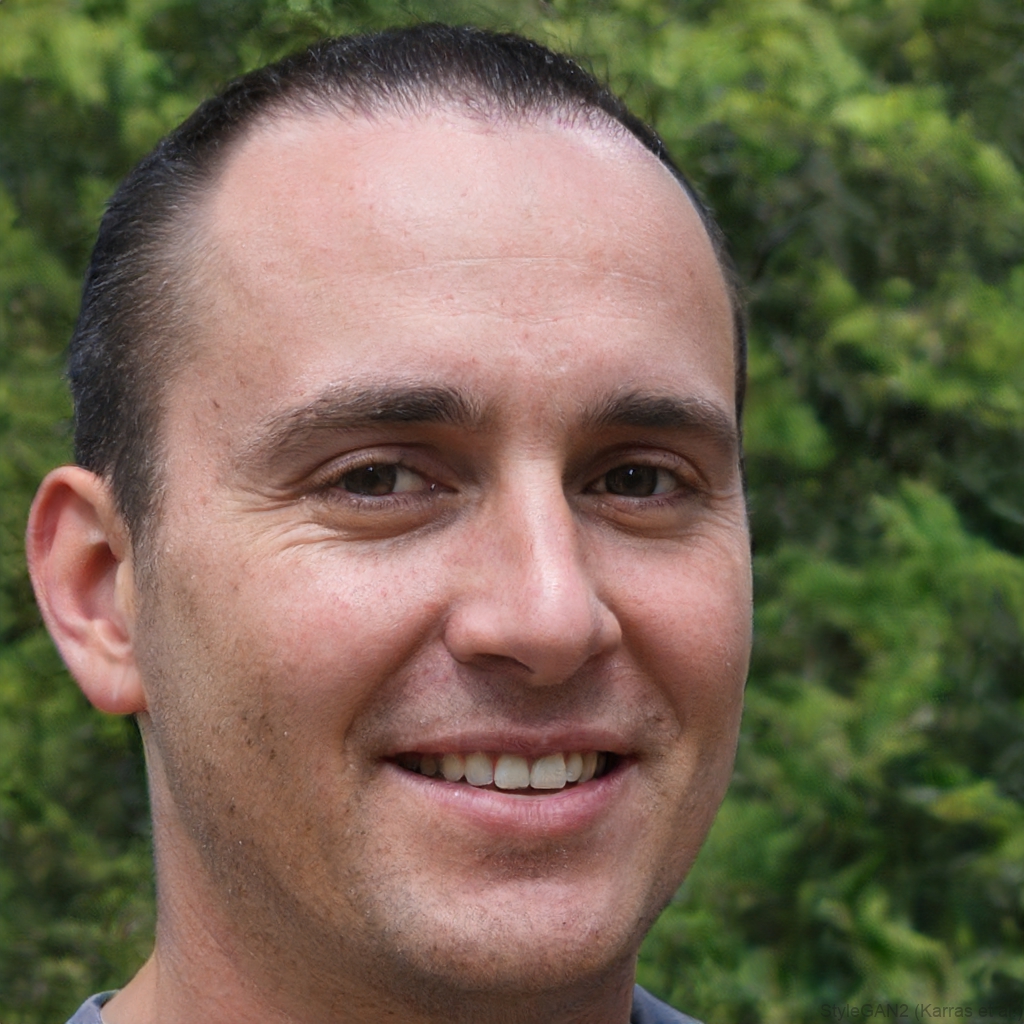
David Brauksworth – Technical SEO Analyst
David leads KatvTech’s technical SEO research, with a focus on Core Web Vitals, site architecture, and crawlability. His background in web performance engineering means he approaches ranking factors from the infrastructure level up. He runs all experiments measuring the relationship between technical site health and search visibility outcomes.
Technical SEO & Experimentation



Updates & Recovery

What Is Glue Google System? The Universal Search Layer
Classic web results are only one piece of what a Google search results page actually shows, images, videos, local packs, and other verticals all appear alongside the ten blue links, each requiring its own ranking logic. What is Glue Google system, in short: it is the…

How to Write an SEO Case Study People Actually Trust
The industry is full of SEO case studies claiming a single tweak tripled traffic overnight, and most of them share a common flaw: no control group, no measurement window discipline, and no acknowledgment of confounding factors. A genuinely credible seo case study…
HCU Recovery Signs: What Genuine Progress Looks Like
A site hit by the helpful content system, now folded into Google’s broader quality reassessments rather than run as a fully separate classifier, often shows a confusing mix of small ups and downs during recovery, which makes distinguishing real progress from noise…
AI Search Optimization

Sports Content AI Overviews: Why Predictions Don’t Get Cited
The sports content AI Overviews tend to cite is factual rather than predictive. Questions with stable, checkable answers, such as records, rules, standings, and how a scoring system works, are the queries where AI-generated answers most often appear and where sports…

Fashion Content AI Search: Why Your Site Gets Skipped
Fashion content AI search visibility often lags behind other niches for a few predictable reasons. Much of it is trend commentary rather than clear answers to specific questions, it goes out of date quickly, and it frequently reads as promotional because of affiliate…

How to Get ChatGPT to Recommend Your Brand
Someone asks ChatGPT for a product recommendation in your category, and it names three competitors, never you. How to get ChatGPT to recommend your brand is a fundamentally different question than how to rank on Google, since ChatGPT is not producing a ranked list of…
katvtech.com
We’d love to hear from you! Reach out with your questions, ideas, collaborations, or feedback.
FAQs
How does KatvTech run its experiments?
We select a single variable to test, set up control and test conditions on live websites, measure outcomes through Google Search Console over a defined period, and publish the raw data alongside our interpretation.
Are your experiments reproducible?
We describe methodology in enough detail to allow replication. Every experiment states its limitations, including sample size, niche, domain age, and time period.
How often do you publish new experiments?
We publish 2–3 new pieces per month with a mix of new experiments, experiment updates, and algorithm analysis.
Do your experiments apply to all niches?
No, single experiment applies universally. We note the niche type and domain characteristics for each test. Results in competitive niches may differ from results in low-competition ones.
Can I suggest an experiment topic?
Of course, your input is helpful! Just use the contact page. We prioritise suggestions that have clear hypotheses and are practically relevant to content site builders.